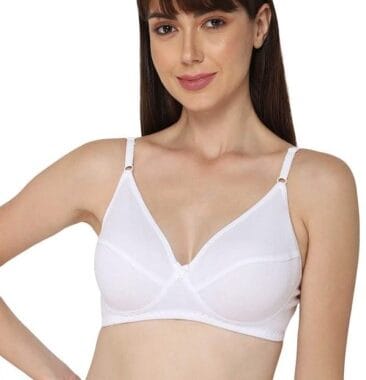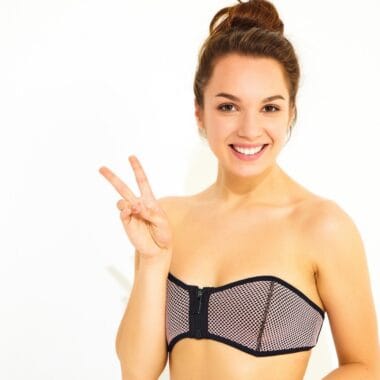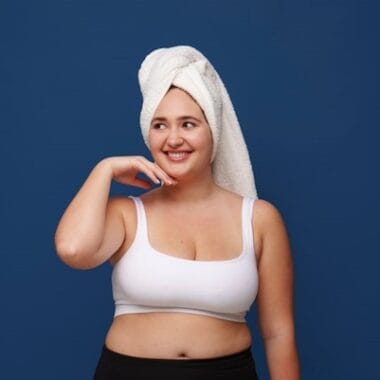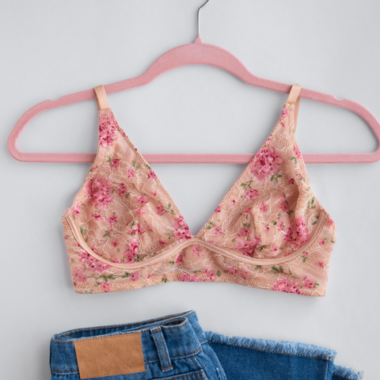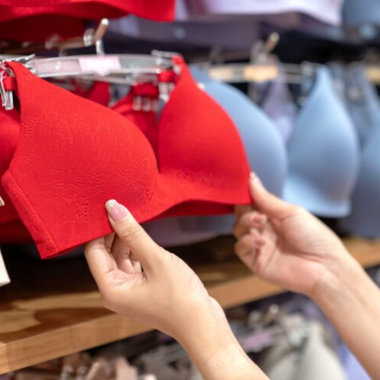



























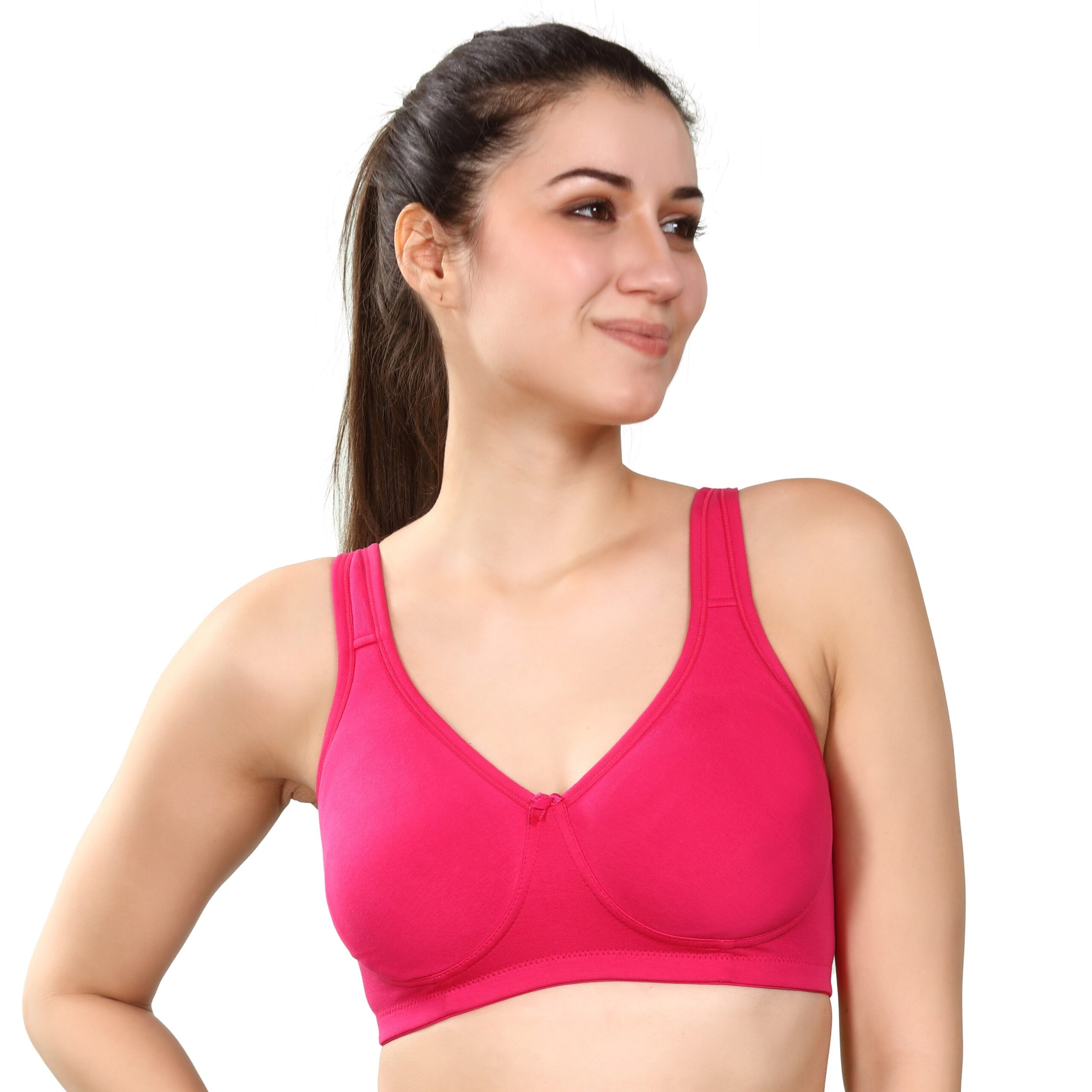
If you’ve ever pulled a bra out of your drawer and thought, “Why doesn’t this fit like it used to?” you are definitely not alone. Many women unknowingly wear worn-out bras or damage them through everyday habits without realizing it. Over time, heat, rough washing, and poor storage silently break down the fabric and elastic, leaving you with stretched bands, misshapen cups, and uncomfortable straps.
The good news is that a few small changes in how you care for your bras can make a huge difference. With gentle washing, proper drying, rotation, and smart storage, your favorite pieces can stay supportive and comfortable for much longer. This guide by Siome walks you through simple, practical steps to keep your bras in their best shape.
Wash Your Bras the Right Way
Washing is one of the biggest factors that affects how long your bras last. Strong detergents, hot water, and aggressive machine cycles weaken elastic, fade colors, and distort cups over time.
- Whenever possible, hand wash your bras in cool or lukewarm water using a mild detergent. Gently swirl and soak them instead of scrubbing or twisting.
- If you need to use a machine, fasten the hooks, place each bra in a lingerie bag, choose a gentle or delicate cycle, and always use cold water.
- Avoid bleach and fabric softeners, as they can break down elastic fibers and shorten the lifespan of your bras.
This extra care helps your bras stay closer to their original shape, color, and stretch for many more wears.
How Often Should You Wash Your Bra?
You don’t need to wash everyday bras after every single wear. In fact, overwashing can wear out the fabric and elastic faster.
- For regular bras, washing every 2–3 wears is usually enough, unless you have been sweating a lot or live in very hot weather.
- For sports bras, wash after every workout because they absorb sweat and bacteria more intensely.
Finding this balance keeps your bras fresh and hygienic without exposing them to unnecessary washing stress.
Never Put Bras in the Dryer
It may be tempting to toss bras into the dryer for convenience, but that is one of the quickest ways to ruin them. The high heat and tumbling:
- Weaken the elastic so your bras lose support and stretch out faster.
- Warp underwires, damage padding, and distort cup shapes, especially in molded or padded styles.
Instead, gently press out extra water with a towel and lay your bra flat to air dry. If you hang it, avoid hanging by the straps; hang it from the center gore (the middle between the cups) to prevent strap stretching.
Rotate Your Bras Instead of Wearing the Same One
Wearing the same bra every single day may feel easy, but it is not ideal for the elastic. Bras need time to “rest” so the elastic can spring back to its original shape.
- Try to rotate between at least 2–3 everyday bras instead of relying on just one.
- Giving each bra 24–48 hours off between wears helps the band and straps recover, which keeps them supportive for longer.
A small change like rotation can significantly extend the lifespan of your favorite bras.
Store Your Bras Correctly to Protect Their Shape
How you store your bras can either protect their shape or slowly crush and crease them. Stuffing padded bras into crowded drawers or folding one cup into the other can cause misshapen cups and permanent dents.
- Store padded or molded bras flat in a drawer, stacked one behind another like in a store display.
- Avoid turning cups inside out or folding one cup into the other, especially for structured styles.
- Use drawer dividers or organizers if you can; they help keep bras neat, easy to find, and less likely to snag on other clothing.
Soft bras and bralettes can be folded more easily, but they should still not be crushed under heavy items.
Pay Attention to Straps, Hooks, and Underwires
Small details make a big difference in how comfortable and long-lasting your bras are.
- Always fasten hooks before washing so they do not catch on lace or other clothes.
- Adjust your straps so they stay in place without digging into your shoulders. If you keep tightening them, the real issue might be a loose band, not the straps themselves.
- If an underwire pokes out or feels bent, it is usually a sign that the bra has reached the end of its life and should be replaced.
Ignoring these small warning signs can lead to discomfort or even damage other delicate bras in the wash.
Different Bras Need Different Care
Even though they may look similar at first glance, different types of bras are designed for different purposes and need slightly different care.
- Sports bras work hard and absorb a lot of sweat, so they should be washed after each workout to prevent bacteria build-up and odor.
- Lace or delicate bras should be hand washed and handled gently to avoid snags, tears, and damage to fine detailing.
- Underwired bras rely on their structure for support, so twisting, wringing, or crushing them can distort the wires and reduce comfort and support.
Understanding what each style goes through helps you care for your bras in a way that matches their job.
When Is It Time to Replace Your Bra?
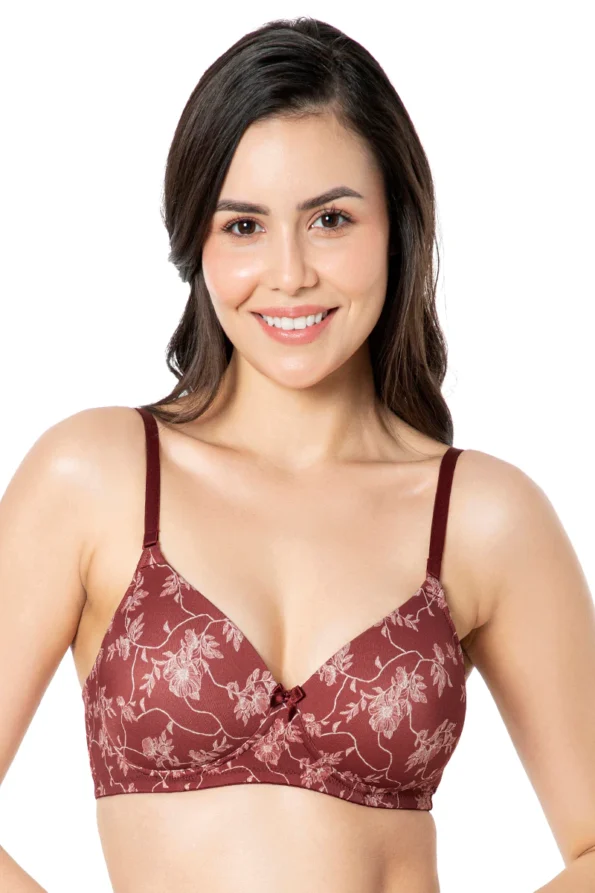
Even with perfect care, bras do not last forever. On average, a well-worn bra may need replacing every 6, 12 months, depending on how often you wear and wash it. Here are clear signs it is time to say goodbye:
- The band has stretched out and no longer feels snug, even on the tightest hooks.
- Straps keep slipping off your shoulders or digging in uncomfortably.
- Cups have lost their shape, show gaping, creasing, or cause spillage at the top or sides.
- Underwires are poking through, feel bent, or cause irritation.
- Overall, the bra feels loose, unsupportive, or simply “not right” anymore.
Replacing old bras when you notice these signs ensures you stay comfortable, well-supported, and confident in every outfit.
Small Habits, Big Difference
Taking proper care of your bras is not complicated, and it pays off in comfort, support, and value. Gentle washing, skipping the dryer, rotating what you wear, and storing them thoughtfully all help your bras keep their shape and fit for longer.
By paying attention to the little details, like straps, hooks, and underwires, and knowing when to replace old pieces, you keep your lingerie drawer fresh, functional, and truly supportive of your everyday life. Siome’s goal is to help you not just buy bras, but truly get the best out of every pair you own.