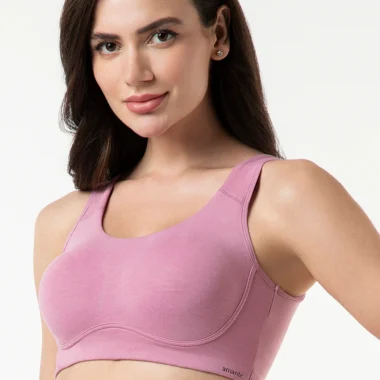


























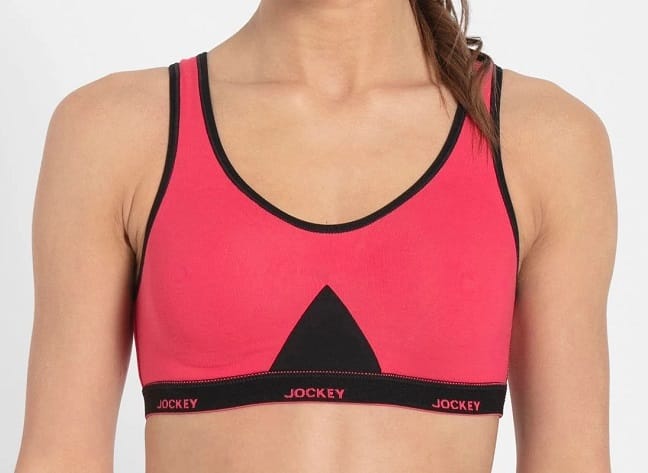
A sports bra is no longer just a “gym thing” – it has quietly become an everyday comfort piece for many women. If you reach for your sports bra for walks, chores, WFH days, or even travel, you are not alone. This guide for Siome explores when a sports bra shines, when it doesn’t, and how to choose one that truly supports both your workouts and your daily life.
Why Sports Bras Were Designed
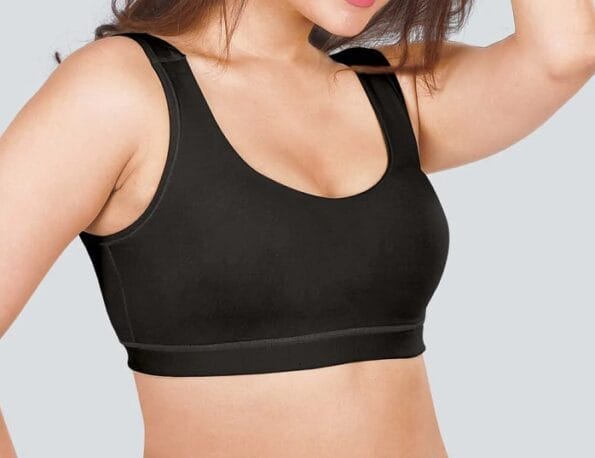
At their core, sports bra designs exist to control movement and protect breast tissue during physical activity. Unlike regular bras that focus more on shape and under-clothing aesthetics, sports bras are built around:
- Reduced bounce: By compressing or encapsulating the breasts, a sports bra minimises up-and-down movement during workouts.
- Better comfort during activity: Wider straps, strong bands, and stretchy technical fabrics help distribute pressure and avoid painful digging while you move.
- Focus and performance: When you are not distracted by discomfort or bounce, it is easier to stay focused on your run, class, or training session.
Over time, the comfort and support of sports bras have made them popular beyond the treadmill – but like anything, context matters.
Can You Wear a Sports Bra Beyond Workouts?
Yes, a sports bra can absolutely be worn beyond workouts – as long as the fit and compression are right for what you are doing.
Women now use sports bras for:
- Errands and casual outings: Paired with joggers, jeans, or a jacket, a sports bra doubles as a comfy top.
- Work-from-home and lounging: Wire-free, soft sports bras feel more relaxed than many structured regular bras.
- Physically active jobs or busy days: If your routine includes walking a lot, lifting, or bending, a supportive sports bra can feel more practical.
Key rule: everyday sports bra wear should feel snug, supported, and breathable – not tight, restrictive, or like you cannot wait to take it off.
When You Should Avoid a Sports Bra
There are moments when a sports bra is not the best choice, especially if it is high-compression or poorly fitted.
Consider skipping a sports bra when:
- It feels too tight: If the band digs in, breathing feels restricted, or you see deep marks on your skin after removing it, the compression is too much.
- You are wearing it for very long hours with sweat: Sweat + tight fabrics can trap moisture, leading to rashes, acne, or fungal infections under the bust if you do not change and wash regularly.
- You need specific shaping under certain outfits: Sports bras usually prioritise support over a defined silhouette, so under some fitted tops or ethnic wear, a regular bra or T-shirt bra may look better.
- You are sleeping: Some women prefer light, soft bralettes or no bra at all at night. High-impact sports bras are usually too compressive for sleep.
Listening to your body is crucial: if a sports bra feels like armour rather than support, it is not the right choice for that situation.
Sports Bra vs Regular Bra – A Simple Analogy
Think of a sports bra as your activewear shoes and a regular bra as your everyday flats. Both cover your feet, but they are built for different jobs.
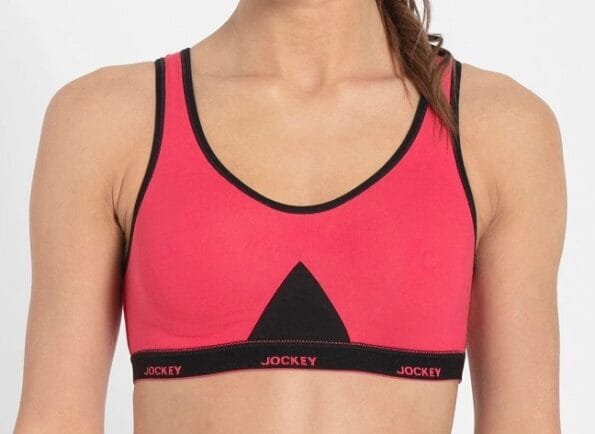
- Sports bra:
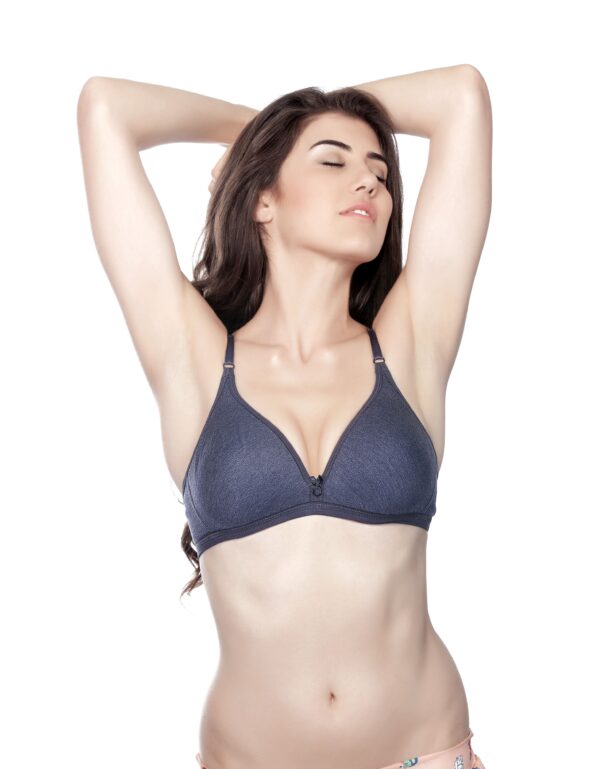
- Regular bra:
Just like you wouldn’t wear running shoes with every outfit, you do not need a sports bra for every single scenario – but it is invaluable when you do need it.
How to Choose a Sports Bra for Daily Use
If you want a sports bra that works both in and out of the gym, the secret lies in choosing the right style and level of support.
Look for:
- Light to medium support: High-impact bras are great for running but often too compressive for all-day wear.
- Soft, breathable fabric: Moisture-wicking, smooth materials keep you comfortable and reduce chafing.
- Wide, comfortable band: It should feel snug but not restrictive, allowing deep breathing without pressure on your ribs.
- Adjustable straps or closures: These let you fine-tune your fit through the day as your body moves or swells slightly.
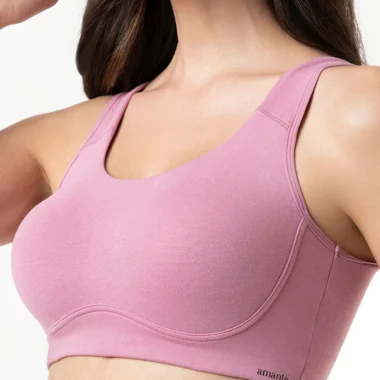
- Encapsulation or hybrid designs: If you prefer shape and separation, choose a sports bra with individual cups (encapsulation) or a combo of compression + cups.
For Siome shoppers, this means prioritising sports bras that mention “everyday comfort,” “light/medium impact,” or “athleisure” in their descriptions rather than only “high-impact training.”
Signs Your Sports Bra Is Not Right for You
Even the best sports bra becomes a problem if the fit is wrong. Watch for:
- Deep marks around the band or shoulders.
- Difficulty taking a full breath or feeling “squeezed.”
- Skin irritation, rashes, or itchiness after wear, especially under the band.
- Soreness in breast tissue after non-active wear, which may indicate over-compression.
If you notice these signs, try:
- Going up a band size or choosing a lower-impact style.
- Switching to a regular bra or bralette some days to give your skin and tissue a break.
Comfort is not a luxury; it is a non-negotiable.
Making Sports Bras Work in Your Wardrobe
A well-chosen sports bra can be a versatile piece in your Siome wardrobe, not just a gym essential.
You can:
- Pair a longline or crop-style sports bra with high-waisted leggings or joggers for errands.
- Layer under an oversized shirt, shrug, or denim jacket for a relaxed, athleisure look.
- Use medium-support styles for busy, on-the-go days, and save high-impact bras purely for intense workouts.
Think of sports bras as part of your innerwear toolkit: some for performance, some for comfort, some for style.