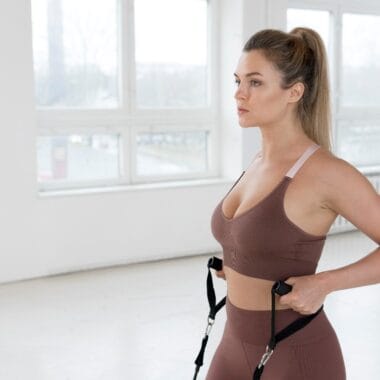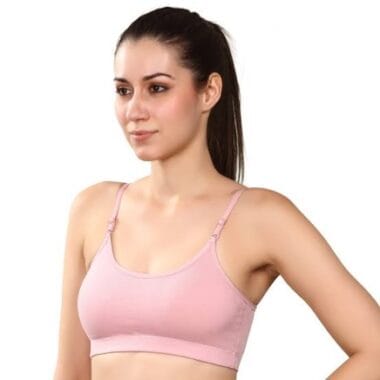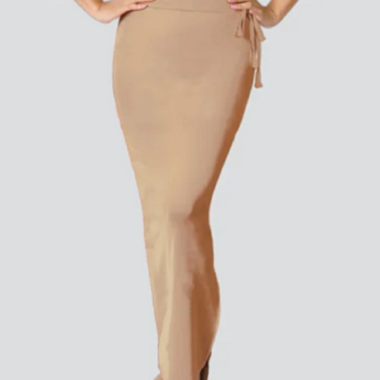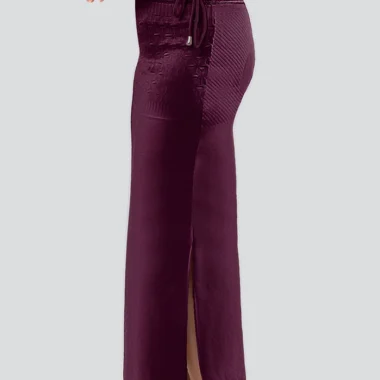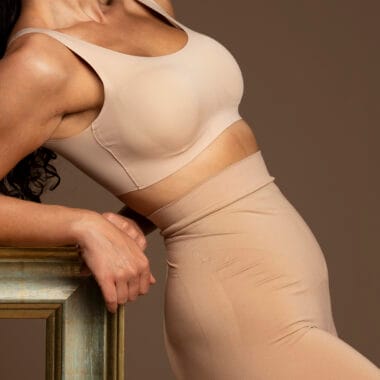




























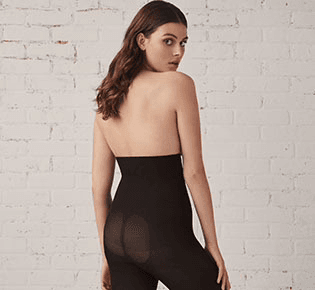
Shapewear should never feel like punishment. It is meant to gently smooth, support, and help your outfits sit better on your body, not hide it. With the right pieces in your wardrobe, you can make sarees, lehengas, jeans, dresses, and kurtis feel more flattering and comfortable in minutes. This Siome shapewear guide walks you through types, outfit matching, body shapes, and smart fit tips in a simple, human way.
What Is Shapewear Really For?
Modern shapewear is designed to create a smoother outline, reduce visible lines, and lightly contour areas like the tummy, hips, thighs, and back. Instead of squeezing you into a smaller size, good shapewear works like a soft filter, refining your silhouette without taking away your natural shape.
Whether you want:
- Tummy control for sarees and lehengas.
- Thigh shaping for jeans and body-hugging bottoms.
- All-round smoothing for dresses or gowns.
There is a specific piece that can help. The key is knowing which one does what.
Key Types of Shapewear You’ll See at Siome
Understanding the main types of shapewear makes choosing much easier.
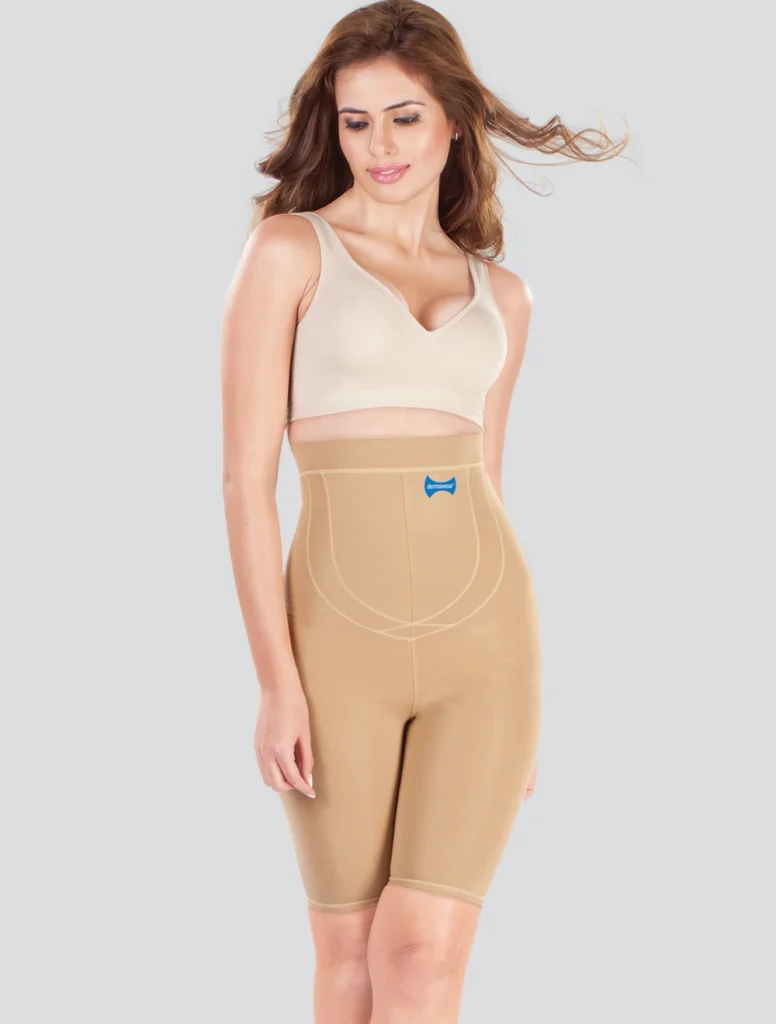
1. Tummy Tucker / High-Waist Shaper
This style focuses on the midsection, ideal when you want a flatter-looking tummy and smoother waistline.
- Best under: sarees, lehengas, kurtis, fitted tops, high-waist skirts.
- Coverage: from just below the bust down to the hips or upper thighs.
It is perfect when your main concern is the stomach area, especially with clingy fabrics.
2. 4-in-1 or Full-Body Shaper
Think of this as “headliner” shapewear for special days. It targets tummy, back, hips, and thighs together for a more balanced, sculpted look.
- Best under: occasion wear, sarees, lehengas, gowns, and party dresses.
- Coverage: usually waist to mid-thigh, sometimes with added back-smoothing panels.
This is ideal when you want all-round smoothing for events, photos, or long functions.
3. Long-Leg Bodysuit
This is a bodysuit that extends down to the thighs. It evens out your torso and thighs, making fitted dresses fall beautifully without harsh lines.
- Best under: bodycon dresses, pencil skirts, fitted western wear.
- Coverage: bust (or under-bust) to mid-thigh, often with a convenient crotch opening.
Great for pear-shaped figures or anyone whose dresses tend to cling around the hip and thigh area.
4. Thigh Shapers / Shaping Shorts
These are a must-have for “thick-thigh girlies” who want both definition and comfort.
- Best under: jeans, trousers, midi dresses, skirts.
- Benefits: smooth the thighs, refine the hips, and help reduce chafing on hot or humid days.
They are also excellent daily-wear shapewear because they are usually lighter and easier to move in.
5. Shaping Slips
Shaping slips work like a smoothing inner layer under dresses.
- Best under: A-line dresses, wrap dresses, sheaths, and semi-fitted outfits.
- Benefits: minimise lines from innerwear, help the outer fabric glide smoothly, and give a very clean finish.
If you want something that doesn’t feel like “strong shapewear” but still refines your look, slips are perfect.
How to Choose Shapewear by Outfit
Different outfits call for different shapewear solutions. Here is a quick mapping:
- Sarees and Lehengas
- Bodycon Dresses and Fitted Western Wear
- Kurtis, Anarkalis, and Ethnic Sets
- Jeans, Trousers, and Tops
How to Choose Shapewear by Body Shape
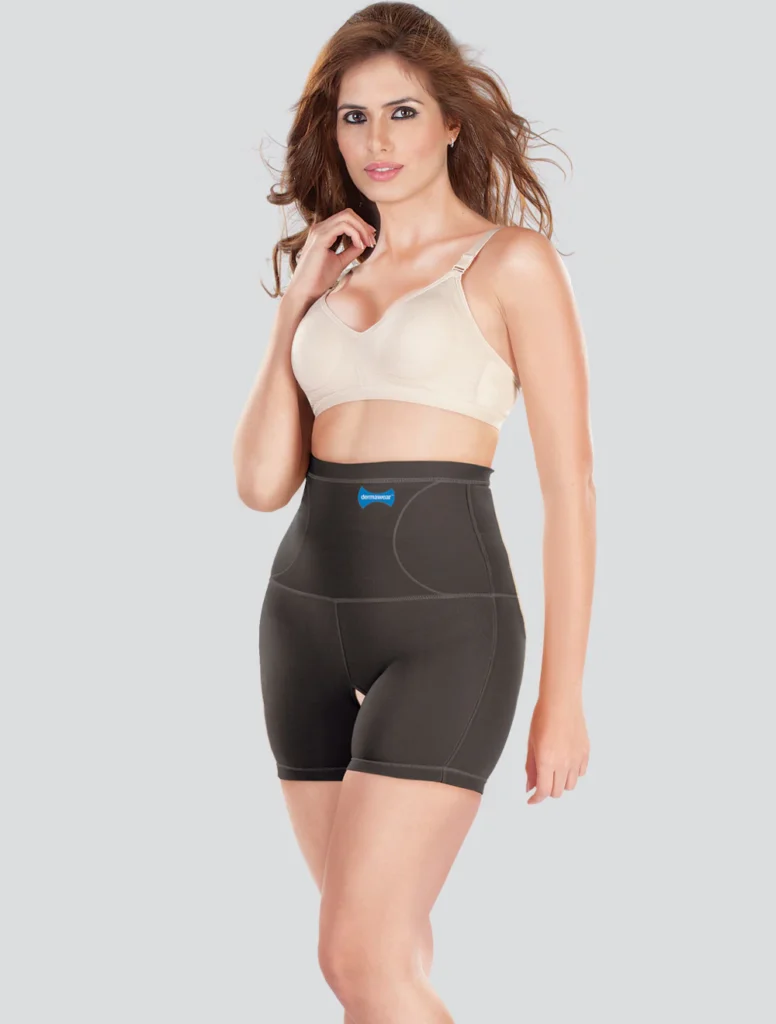
Once you match shapewear to your outfit, the next step is matching it to your body. Everyone’s shape has slightly different needs.
- Pear-Shaped (wider hips and thighs)
- Apple-Shaped (fuller midsection)
- Hourglass (curvy bust and hips with defined waist)
- Rectangle / Straight Shape
The goal is to work with your natural structure, enhancing what you love, not trying to squeeze yourself into a different body.
Fit, Fabric, and Sizing – Golden Rules
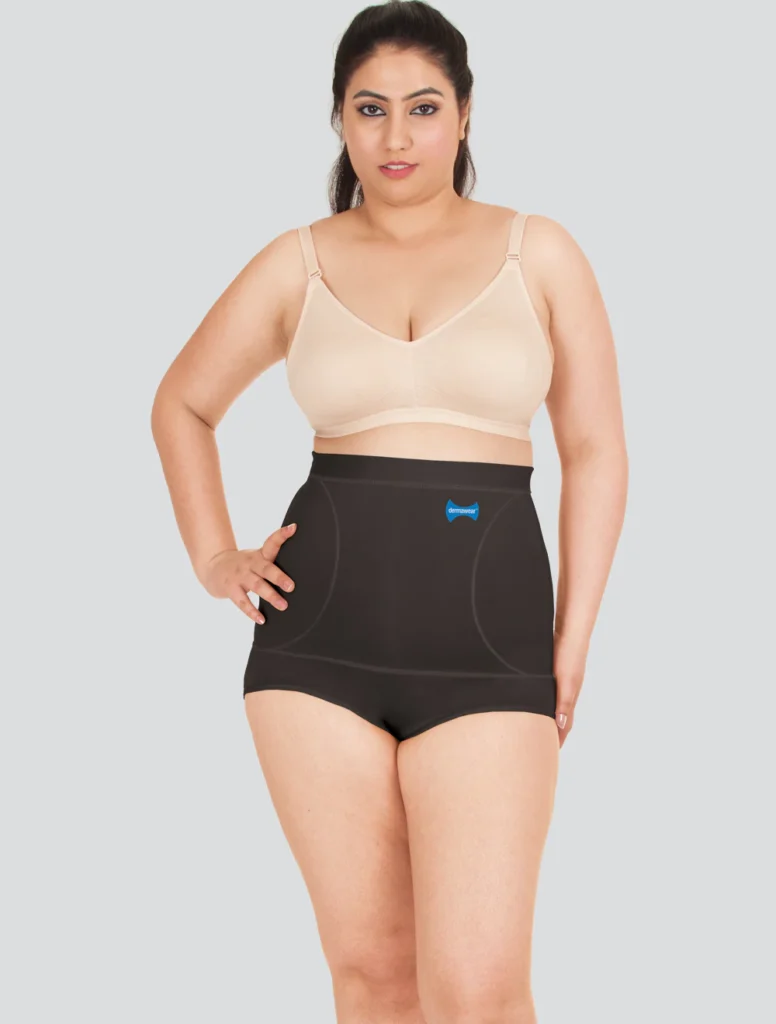
Good shapewear should feel like support, not suffocation. Keep these rules in mind:
- Always choose your true size: sizing down for “extra” shaping usually backfires, causing bulges, rolling waistbands, and discomfort.
- Measure hips and waist: don’t guess based on your bra or dress size; use a tape and follow the size chart for each brand or product.
- Pick fabric based on weather and occasion:
- Aim for smooth, seamless finishes under fitted clothes to avoid visible lines and edges.
If you can move, sit, and breathe comfortably while feeling gently “held,” you have likely found the right size and compression level.
How to Wear and Care for Shapewear
Even great shapewear can feel wrong if worn or cared for incorrectly.
Wearing tips:
- Step in and pull up slowly rather than yanking it on from the top, this protects seams and waistband elasticity.
- Once on, adjust from the bottom up: smooth the thighs, then hips, then tummy so everything sits flat and even.
- Avoid very firm shapewear for long daily wear; save strong compression for shorter events or special occasions.
Care tips:
- Hand-wash or use a gentle machine cycle inside a lingerie bag.
- Always air-dry; heat from dryers weakens elastic and breaks down stretch over time.
- Rotate between pieces instead of wearing the same shaper every day so the fabric can recover its shape.
Common Shapewear Problems and Quick Fixes
If shapewear behaves badly, it is usually fixable with a simple tweak:
- Waistband rolling down
- Visible lines under outfits
- Numbness or discomfort
- Riding up or sliding down
With a bit of trial, you will start recognising what your body and outfits need.
Shapewear at Siome: Support, Not Stress
For Siome, shapewear is about enhancing comfort and confidence, not squeezing you into unrealistic standards. With the right pieces, tummy tuckers, thigh shapers, bodysuits, and slips, you can make your favourite outfits feel smoother, sit better, and move with you instead of against you.
When you understand your outfit, your body shape, and your comfort level, shapewear becomes a helpful styling tool, not something to be afraid of. And that’s exactly how it should be in your wardrobe.