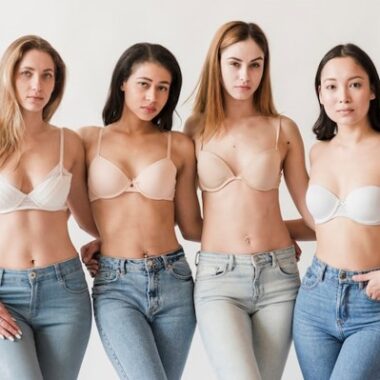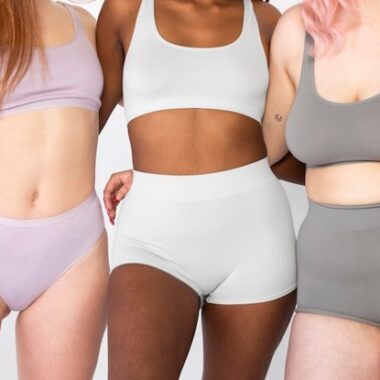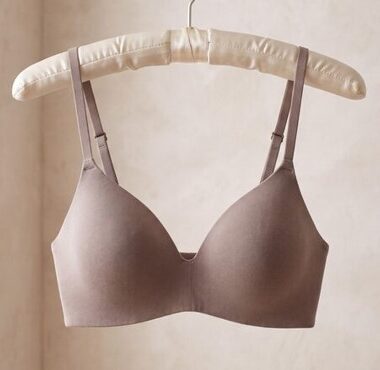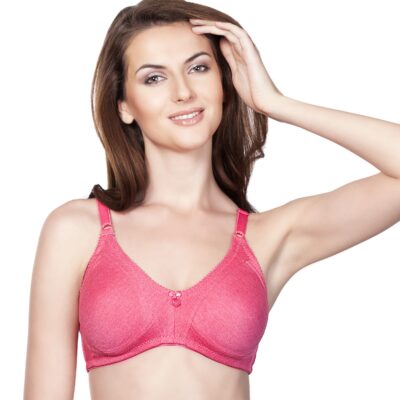
































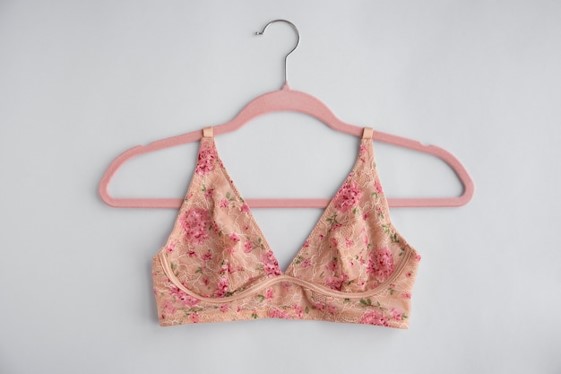
Innerwear touches your skin for 12 to 16 hours a day. That makes the fabric choice more personal than almost anything else in your wardrobe. In Indian weather, with long summers and sticky monsoons, the wrong material can turn an ordinary day into an uncomfortable one.
Two premium fabrics now lead most conversations about comfort: bamboo cotton and Supima cotton. Both appear across branded innerwear online India listings, and both promise softness. We compared them closely so you can choose with confidence instead of relying on labels alone.
What Is Bamboo Cotton?
Bamboo cotton is usually a blend of bamboo-based viscose and regular cotton. The bamboo pulp is processed into soft fibres, then mixed with cotton for strength and shape.
The result feels smooth, cool, and slightly silky. Many people describe it as “cotton with a gentle sheen.”
Key Traits of Bamboo Cotton
- Very soft hand feel from the first wear
- High moisture absorption that pulls sweat away from skin
- Natural stretch and drape, which suits fitted styles
- Slightly cool touch, especially welcome in humid climates
What Is Supima Cotton?
Supima is a trademarked name for premium Pima cotton grown in the United States. It belongs to the extra-long staple family, which means each fibre is much longer than ordinary cotton.
Longer fibres create smoother, finer yarn. Fewer loose fibre ends poke out of the fabric, so it feels gentle and resists pilling over time.
Key Traits of Supima Cotton
- Strong, durable fibres that hold their shape wash after wash
- Rich colour retention, so dark shades stay deep longer
- Smooth, matte finish with a classic cotton feel
- Excellent airflow through a tightly spun yet light weave
Softness: Which Fabric Feels Better?
Softness is where most buyers start, and honestly, both fabrics perform well. They simply feel different.
Bamboo Cotton Softness
Bamboo cotton feels silky and fluid right out of the pack. It glides over skin and works beautifully for people with sensitive or easily irritated skin.
For everyday cotton underwear for women, this gentle, second-skin touch is a major reason bamboo blends have grown so popular.
Supima Cotton Softness
Supima feels plush and refined rather than silky. Its softness actually improves with washing, much like a favourite old T-shirt that gets better with age.
People who prefer the familiar comfort of pure cotton often lean toward Supima.
Our verdict: Bamboo cotton wins on instant silkiness. Supima wins on lasting, natural softness.
Breathability: Which Keeps You Cooler?
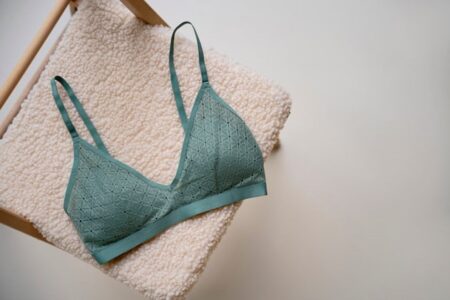
Breathability matters most in India. A fabric that traps heat can cause sweat build-up, rashes, and constant discomfort.
How Bamboo Cotton Handles Heat
Bamboo fibres have a structure that absorbs and spreads moisture quickly. Sweat moves away from the skin and dries faster, which keeps you feeling fresh during long, warm days.
This makes bamboo blends a strong pick for anyone searching for a bra for summer season that stays cool under office wear or outdoor clothing.
How Supima Cotton Handles Heat
Supima allows steady airflow through its fine weave. It breathes well and feels light, though it holds a little more moisture than bamboo before drying.
In dry heat, Supima performs excellently. In heavy humidity, bamboo has a slight edge.
Durability and Care
Comfort means little if a garment loses shape after a few washes. Here, the two fabrics show clear differences.
Bamboo Cotton Care Tips
Bamboo blends are delicate compared with pure cotton. To keep them in top condition:
- Wash in cold or lukewarm water
- Use a mild detergent without bleach
- Air-dry in shade instead of direct sunlight
- Avoid high heat in dryers, which can weaken fibres
Supima Cotton Care Tips
Supima is tougher and more forgiving. It handles regular machine washing well and keeps its form for a long time.
A gentle cycle and occasional inside-out washing will help colours stay vivid. That’s about all it needs.
Bamboo Cotton vs Supima Cotton: Quick Comparison
| Feature | Bamboo Cotton | Supima Cotton |
| Softness | Silky and smooth | Plush, improves with washing |
| Breathability | Excellent, fast-drying | Very good, steady airflow |
| Moisture control | High absorption | Moderate absorption |
| Durability | Moderate | High |
| Best climate | Humid, hot | Dry heat, all-season |
| Care level | Gentle handling needed | Easy care |
Which Fabric Should You Choose?
The right fabric depends on your lifestyle, skin type, and climate. Neither option is better for everyone.
Choose Bamboo Cotton If You:
- Live in a humid city like Mumbai, Chennai, or Kolkata
- Have sensitive skin that reacts to rough fabrics
- Sweat often during work, travel, or workouts
- Prefer a smooth, stretchy, close-fitting feel
Choose Supima Cotton If You:
- Want innerwear that lasts for many seasons
- Prefer a classic, pure cotton touch
- Like easy, low-maintenance washing
- Value rich colours that do not fade quickly
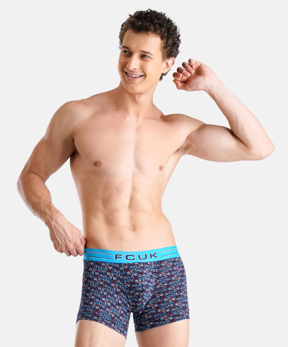
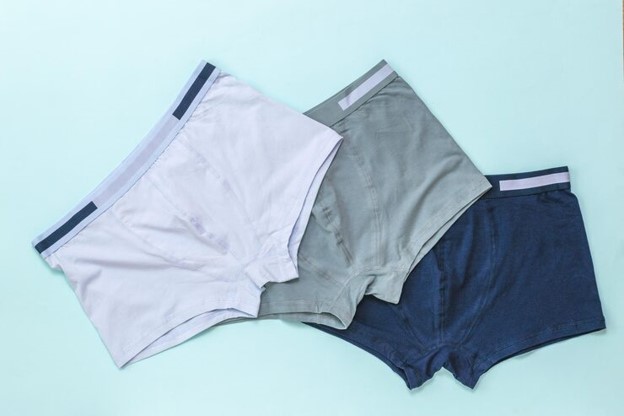
Men benefit just as much from this choice. Many brands of branded innerwear for men now offer bamboo trunks for hot days and Supima vests for daily, long-lasting wear. Keeping a mix of both in your drawer covers every season neatly.
Final Thoughts: Comfort Starts with the Right Fabric
Bamboo cotton and Supima cotton are both premium choices, and each solves a different comfort need. Bamboo brings silky softness and fast moisture control for humid days. Supima brings strength, lasting softness, and easy care for everyday reliability.
At Siome Store, we curate innerwear made from fabrics that respect your skin and suit Indian weather. From breathable everyday essentials to premium blends, our collection helps you find comfort that lasts all day. Explore the range today and feel the difference better fabric makes.
Frequently Asked Questions
Is bamboo cotton good for sensitive skin?
Yes. Bamboo cotton has a smooth fibre surface that rarely causes friction or itching. Many people with sensitive or rash-prone skin find it more comfortable than regular cotton.
Why is Supima cotton more expensive than regular cotton?
Supima uses extra-long staple fibres grown under strict quality standards. These fibres produce stronger, softer, and longer-lasting fabric, which raises the production cost and the final price.
Which fabric is better for workouts?
Bamboo cotton is usually the better choice for workouts. It absorbs sweat quickly and dries faster, which helps reduce dampness and discomfort during physical activity.
How often should innerwear be replaced?
Most experts suggest replacing innerwear every six to twelve months. Replace it sooner if the elastic loosens, the fabric thins, or the fit no longer feels supportive.