



























Finding a bra that actually fits right is hard enough on its own. Add gender identity into the mix, and the usual shopping trip can feel like a maze with no exit sign. We built this guide because comfort and confidence shouldn’t depend on how well a body matches an old sizing chart. Whether you’re exploring bra alternatives for the first time or searching for better support that respects who you are, we’re here to walk through it with you.
Why Traditional Bra Sizing Falls Short
Most bras on the market were designed decades ago, around a narrow idea of what a chest “should” look like. That leaves a lot of people out.
Trans men, non-binary folks, and anyone whose body doesn’t match the standard cis-female template often struggle with:
- Cups that gap or overflow in odd places
- Bands that dig in or slide up the back
- Wires that press against a chest that’s still adjusting or changing
- Styles that reinforce a gender presentation that doesn’t feel right
We understand that a bra isn’t just fabric and elastic. It’s something worn against the skin every day, and it should feel like it belongs there.
The Emotional Weight of Ill-Fitting Innerwear
A bra that pinches or gapes does more than cause physical discomfort. It can chip away at how someone feels in their own skin, especially during moments of gender exploration or transition. We take that seriously. Comfort and dignity go hand in hand, and neither should be optional.
Exploring Bra Alternatives
Not everyone wants (or needs) a traditional underwire bra. That’s completely fine, and there’s a growing range of options built for different bodies and different goals.
1.Binders for a Flatter Silhouette
Binders are one of the most searched bra alternatives for trans men and non-binary individuals seeking a flatter chest appearance.
- Choose a size based on chest measurement, not cup size
- Look for breathable fabric with moisture-wicking properties
- Avoid wearing a binder for more than 8 hours at a stretch
- Never double up on binders or use tape as a substitute
2.Compression Tops and Vests
These offer a gentler alternative to binding while still smoothing the chest area. They’re often easier to wear during exercise or long workdays.
3.Wireless Bralettes
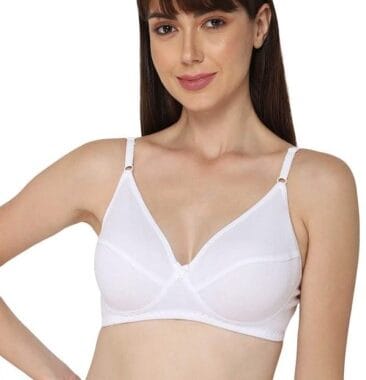
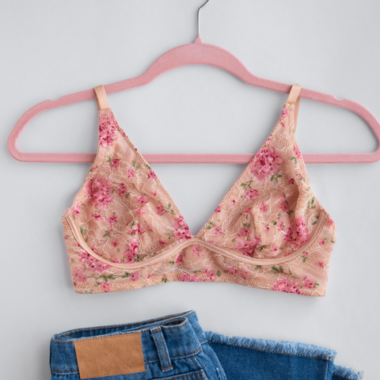
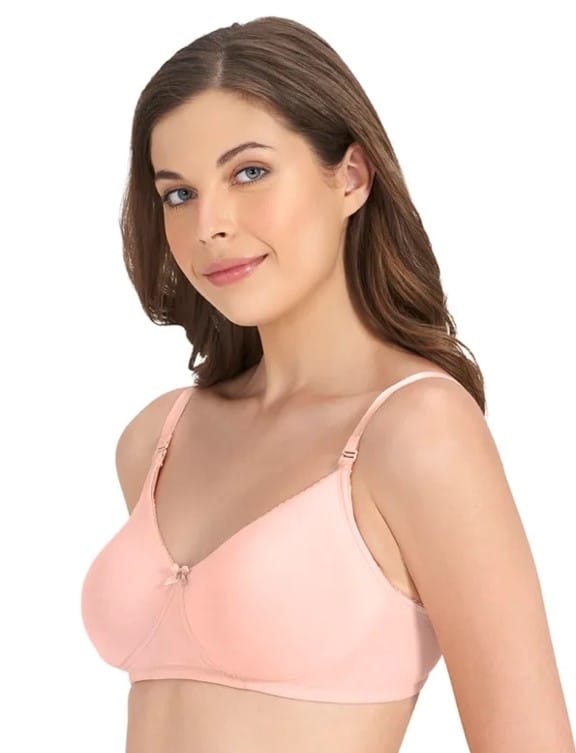
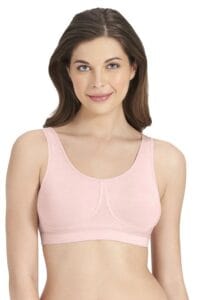
For those who want light support without structure, wireless bralettes are a soft, flexible option. They work well post-surgery too, when the chest area needs gentle coverage rather than compression.
4.Bandeaus and Sports Bras
Pull-on styles without hooks or wires are quick to wear and simple to size. Many people find sports bras a comfortable middle ground between binding and no support at all.
What Makes Gender-Neutral Innerwear Different

Gender-neutral innerwear isn’t about removing style. It’s about removing assumptions.
Here’s what typically sets it apart from standard lingerie:
- Neutral color palettes instead of the usual pastel-or-black divide
- Adjustable, unisex cuts that don’t rely on a “female body” template
- Minimal branding language like “for her” or “feminine fit”
- Functional design focused on comfort, coverage, and movement, not just appearance
We’ve noticed that when innerwear is designed without a rigid gender lens, it tends to fit a wider range of bodies better anyway. That’s a win for everyone, not just trans and non-binary shoppers.
Fabric and Construction Matter More Than Labels
A garment doesn’t need to be marketed at a specific gender to work well. What actually matters:
- Stretch fabric that moves with the body
- Flat seams to prevent chafing under tighter clothing
- Wide, soft bands that don’t dig into the ribcage
- Front-closure or pull-over designs for easier dressing
Why Inclusive Sizing Lingerie Changes the Shopping Experience
Inclusive sizing lingerie means the sizing chart itself is built with more bodies in mind, not just a wider range of the same shape.
A genuinely inclusive size range typically includes:
- Smaller band sizes paired with larger cup options (and vice versa)
- Adjustable straps that convert to racerback or crossback styles
- Extended sizing beyond the standard small-to-large scale
- Options for post-top-surgery bodies, including compression styles for healing skin
Shopping shouldn’t require guessing games or a pile of returns. When sizing is built around real, varied bodies, the process becomes far less stressful.
A Quick Fitting Checklist
Before buying, it helps to check these basics:
- Does the band sit flat and parallel to the floor?
- Can two fingers slide comfortably under the band?
- Do the straps stay in place without digging in?
- Does the fabric feel breathable against the skin for a full day?
If the answer to any of these is “no,” it’s worth trying a different size or style rather than assuming discomfort is normal.
Choosing What’s Right for Your Body and Comfort Goals
There’s no single “correct” choice here. Some days call for a binder, other days for a soft bralette, and some days for nothing structured at all. What matters is that the choice feels like yours.
A few things worth thinking through:
- Activity level – exercise calls for different support than a day at a desk
- Skin sensitivity – some fabrics irritate more than others over long wear
- Post-surgical needs – healing bodies often need gentler, wire-free options
- Personal comfort with visibility – some styles flatten more, others simply support
We believe trying a few styles, rather than committing to one “solution,” usually leads to better long-term comfort.
Caring for Your Innerwear the Right Way
Good fabric deserves proper care, and it also lasts longer when treated well.
- Hand-wash where possible to protect elastic fibers
- Avoid high heat in the dryer, which weakens compression fabric faster
- Rotate between two or three pieces so each one gets rest time
- Replace binders or compression tops every few months with regular wear
Small habits like these keep innerwear supportive for longer and reduce the need for frequent repurchasing.
Conclusion
Every body deserves innerwear that fits without compromise, whether that means a supportive binder, a soft bralette, or something in between. Comfort, safety, and self-expression can coexist, and that’s exactly what we aim to support at every stage of the shopping process. At Siome store, we’re committed to helping every customer find pieces that feel right, fit well, and reflect who they truly are.
Frequently Asked Questions
1. What are the safest bra alternatives for daily wear?
Wireless bralettes, compression vests, and breathable binders sized correctly for chest measurement are generally considered safer for everyday wear than tight or improvised solutions like tape or layered fabric.
2. Is gender-neutral innerwear suitable for all body types?
Yes. Gender-neutral innerwear is typically designed with flexible sizing and adjustable features, making it adaptable to a wide range of chest shapes and sizes rather than a single body template.
3. How do I find the right fit in inclusive sizing lingerie?
Start with an accurate chest and band measurement, then compare it against the brand’s specific size chart rather than assuming standard sizing will apply. Adjustable straps and bands also help fine-tune the fit.
4. Can binders be worn every day without harm?
Binders can be worn daily if sized correctly, made from breathable fabric, and not worn for more than 8 hours at a time. Giving the skin regular breaks helps prevent irritation or restricted breathing over time.