























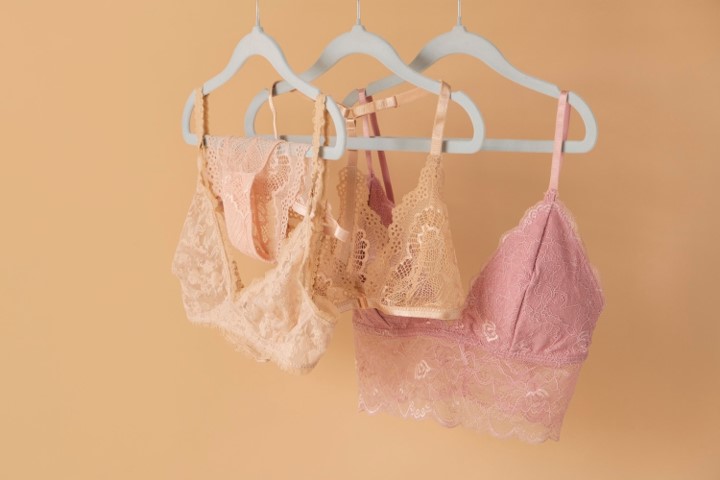
Most women wear the wrong bra size for years without knowing it. Some studies peg the number at nearly 80%, which honestly checks out if you think about how many of us bought our size once in college and never measured again. Knowing how to know if you need a new bra is not just about vanity or fashion. It affects posture, comfort and honestly, your whole mood on a bad day.
This blog walks through the real, physical signs your bra is done for, why it happens faster than you would expect and exactly how to pick a replacement that actually fits. No jargon, no guesswork, just the stuff that actually matters when you are standing in front of a drawer full of bras that all somehow feel wrong.
Your Bra Has an Expiry Date, Even If Nobody Told You
A bra is not built to last forever. The elastic in the band and straps breaks down with every wash and wear, usually within six to nine months of regular use. Nobody tells you this when you buy it. No sticker says replace by December. You just wake up one day and your favorite bra is riding up your back, or the straps won’t stay put no matter how many times you tighten them.
Fabric fatigue is a real thing. Elastane and spandex lose their stretch memory over time, and once that happens, no amount of adjusting fixes it. The bra might look fine on a hanger. On your body, it’s a different story.
Signs You Need a New Bra Right Now
Here are the clearest signs your bra has reached the end of its life. If two or more of these sound familiar, it’s probably time.
- The band rides up in the back: A properly fitting band stays level, front and back. If yours creeps up toward your shoulder blades, the elastic has stretched out.
- You’re on the loosest hook, and it’s still loose: Bras are designed to start on the loosest hook, so you have room to tighten as the elastic wears down over time. Loosest hook and still slipping means you are out of adjustment room.
- Straps keep falling or digging in: Either the strap elastic has given up, or the cup size is wrong, and the strap is compensating for a lack of support.
- Underwire pokes, twists, or has popped through the fabric: This one’s non-negotiable. A poking wire isn’t fixable and can actually hurt.
- Spillage at the top, sides, or underarm: Cup size changes happen. Weight fluctuation, hormones and even the season can shift things slightly.
- The fabric looks worn, pilled, or discolored under the arms: Cosmetic wear usually means structural wear is not far behind.
If you are nodding along to most of these, your bra is not doing its job anymore. It’s just fabric at that point.
Why Wearing an Old Bra Actually Matters
Wearing a bra that’s lost its shape does not just look bad under clothes. It changes how your clothes fit, sure, but it also affects posture because an unsupportive bra makes your shoulders round forward to compensate. Back pain, neck tension and even headaches can trace back to inadequate support, especially for fuller busts.
There’s also the confidence piece, which sounds soft but is not. Clothes sit differently when your foundation garments are doing their job. A well-fitted bra genuinely changes how an outfit looks, and that’s not marketing talk; that’s just how fabric and gravity work together.
How to Select the Perfect Bra for Yourself
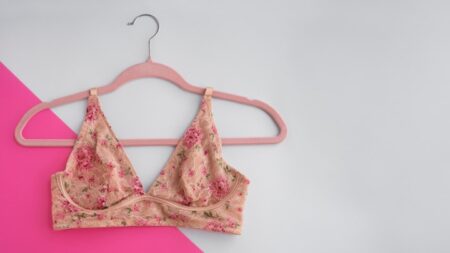
Learning how to select the perfect bra for yourself starts with throwing out whatever size you think you are and actually getting measured. Sizing tags lie more often than people realize and brands vary wildly from each other, too.
Get Measured, Properly
A tape measure at home works fine if you know what you are doing. Measure around your ribcage, just under the bust, for the band size. Then measure around the fullest part of the bust for the cup calculation. Most brands offer size charts online now, including detailed ones on style category pages, which makes cross-checking easy before you buy.
Check the Band First, Not the Cup
Most people obsess over cup size and ignore the band, but the band does about 80% of the support work. If the band’s too loose, no cup size fixes that. A snug, level band that sits parallel to the floor is the real foundation of a good fit.
Try the Movement Test
Standing still in a fitting room tells you almost nothing. Raise your arms. Bend forward. Walk around if you can. A bra that shifts, gapes or digs during movement will do the same thing all day at work or during errands.
Match the Bra to the Purpose
A t-shirt bra, a sports bra and a strapless bra all serve different functions and should not be judged by the same standard. Buying one do everything bra usually means it does nothing particularly well.
A Quick Fitting Room Reality Check
A friend of mine wore the same 34B for nearly a decade because that’s what she bought at eighteen. Turns out she was actually a 32C the whole time. The difference wasn’t subtle either; she said it felt like getting an entirely new body once she switched. That’s the thing about ill-fitting bras: you get so used to the discomfort that it starts to feel normal.
When to Replace Different Types of Bras
Not every bra wears out at the same speed. Sports bras take a beating from sweat and stretching, so they usually need replacing every four to six months if worn regularly. Everyday t-shirt bras last closer to eight or nine months with proper care. Occasion bras, the ones worn rarely, can stretch their lifespan to a year or more since they’re not in constant rotation.
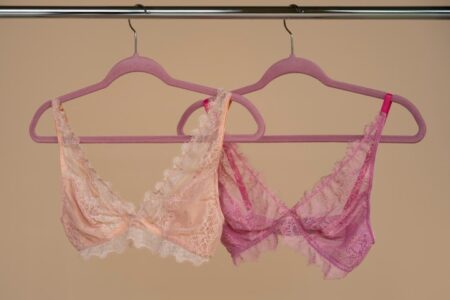
Rotating between two or three bras instead of wearing one daily also extends elastic life significantly, since the fabric gets time to recover its shape between wears.
Conclusion
Knowing how to know if you need a new bra comes down to paying attention to a few physical signs: a riding band, digging straps, poking wires, and fabric that’s lost its bounce back. None of these is dramatic on its own, but together they signal it’s time to shop again.
Picking the right replacement is not complicated once you know what to check. Measure properly, prioritize the band, test movement, and match the bra to its purpose.
A good bra should not be something you notice all day. It should just work quietly in the background while you go about your life. For a wide selection of correctly sized, branded options across everyday, sports, and occasion wear, Siome Store makes finding that replacement a lot simpler.
FAQs
How often should I replace my bra?
Most bras last six to nine months with regular wear, though sports bras wear out faster due to sweat and stretching. Rotating between a few bras helps extend that lifespan.
What is the biggest sign a bra no longer fits?
A band that rides up in the back is usually the clearest sign. It means the elastic has lost its stretch and the band can no longer hold its shape.
How do I know if I’m wearing the wrong bra size?
Spillage, gapping cups, digging straps, or needing to constantly adjust throughout the day are all signs the current size isn’t right anymore, even if it fit well before.
What should I check first when selecting a new bra?
Start with the band, since it provides most of the support. A snug, level band paired with the correct cup size forms the foundation of a proper fit.