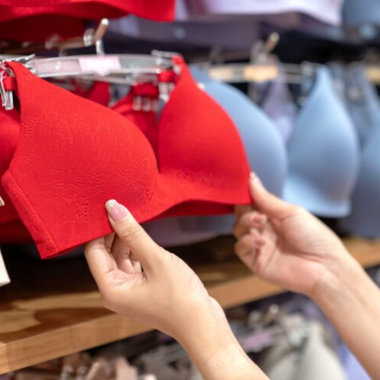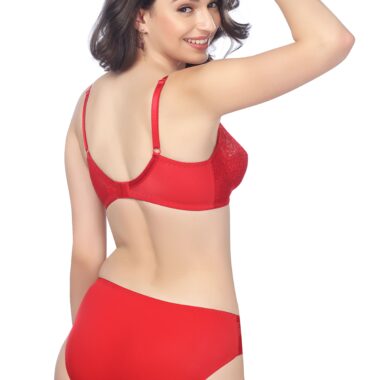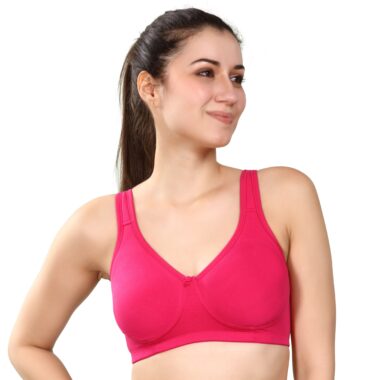






















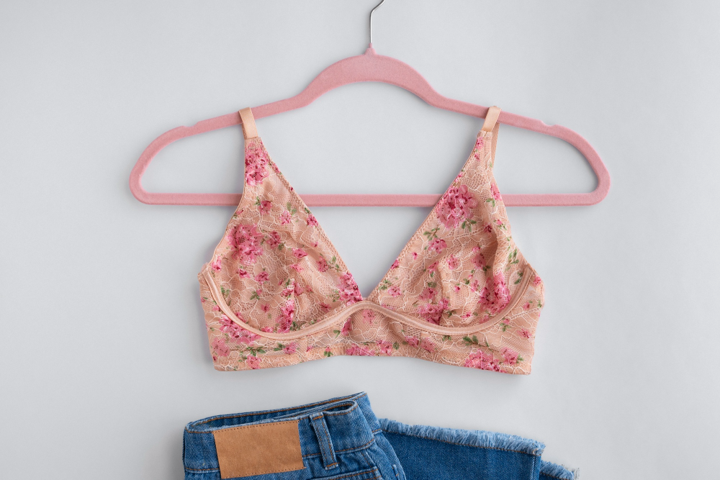
Eight out of ten women are wearing the wrong bra size. That number gets thrown around a lot in the fitting industry, and honestly, after helping friends shop for years, it feels about right. Walk into any store, grab your usual size off the rack, and there’s a good chance it’s been wrong for months, maybe years, without you even noticing. Knowing how to choose a bra is not vanity. It’s basic comfort, posture, and honestly, your back will thank you.
This blog walks through the real stuff. Band size, cup shape, fabric and the little signs that tell you something’s off before it becomes a daily annoyance. No jargon, no fluff, just what actually matters when you are standing in front of a mirror trying to figure out why nothing feels right.
Why Most Women Get Their Bra Size Wrong
Bra sizing is not standardized the way shoe sizes are. A 34B from one brand can fit completely differently from a 34B in another. Bodies change too: weight shifts, pregnancy, age, and even the season can nudge your size slightly. That’s the biggest reason so many women stick to an old size out of habit rather than fact.
There’s also the comfort trap. Many women assume discomfort is just part of wearing a bra. Digging straps, riding bands, cups that gap or spill, all written off as normal. A well-fitted bra should be something you forget you’re wearing by lunchtime.
How to Measure Yourself at Home
You do not need a professional fitting to figure out how to choose the right bra for you. A soft measuring tape and five minutes will get you most of the way there.
Wrap the tape snugly around your ribcage, right under the bust, keeping it parallel to the floor, rounding to the nearest even number. Measure around the fullest part of your bust, usually across the nipple line, without pulling the tape tight.
Subtract the band number from the bust number. The difference in inches roughly maps to a cup size, so a one-inch difference is usually an A, two inches a B, three a C, and so on. It’s not perfect science; brands vary, but it gives you a real starting point instead of guessing.
One thing worth mentioning: measure without a bra on and try to do it in front of a mirror so the tape doesn’t twist or dip. A crooked measurement throws the whole thing off.
Signs Your Current Bra Doesn’t Fit
Before assuming your size is correct, check for these common tells. This is one of the two bullet sections in this guide, so pay attention here because it saves a lot of trial and error later.
- Straps that dig in or slide off your shoulders constantly
- The band rides up your back instead of sitting level and horizontal
- Underwire pokes at the sides or center, rather than lying flat against your ribcage
- Cups gap at the top or spill over at the sides
- The center gore doesn’t touch your breastbone
If two or more of these sound familiar, it’s time for a re-measure. Fit changes more often than people expect, especially after weight fluctuations or a few months of heavy washing that stretches out elastic.
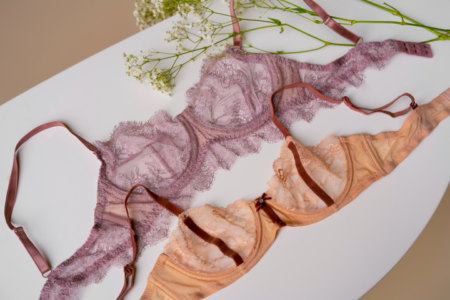
Choosing Bra Styles for Different Needs
Knowing how to choose a good bra also means matching the style to what you’re actually doing that day. A wire-free t-shirt bra under office wear feels different from what you’d want at the gym.
Everyday Wear
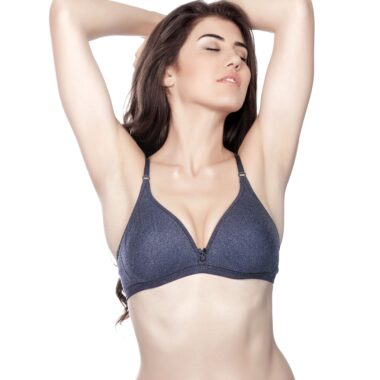
For daily use, a soft cup or lightly padded t-shirt bra usually works best. It smooths under clothing and doesn’t leave visible lines. Cotton blends breathe better through long days, which matters more in warmer climates.
Active Days
Sports bras need to control bounce, not just cover. Higher impact activities like running call for encapsulation or compression styles with wider bands. On lower-impact days, think yoga or walking; you can get away with lighter compression bras.
Special Occasions
Strapless, plunge, or backless styles come with tradeoffs. They often sacrifice some support for versatility, so save them for shorter wear times rather than all-day comfort.
Nursing and Maternity
Bodies shift a lot during pregnancy and postpartum, sometimes multiple cup sizes within months. Nursing bras with easy-access clasps and stretch fabric make this transition far less stressful than trying to squeeze into pre-pregnancy sizes.
Fabric and Comfort Matter More Than Trends
A gorgeous lace bra means nothing if it itches by 10 am. Fabric choice plays a bigger role in choosing suitable bra options than most people realize.
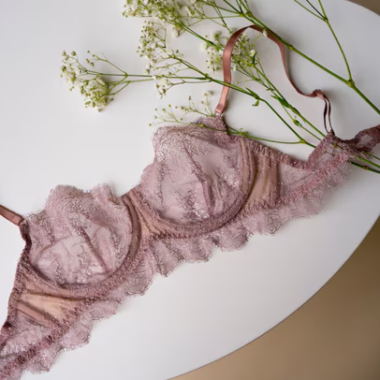
Cotton and cotton blends work well for sensitive skin and hot weather. Microfiber and modal offer a smoother finish under fitted clothing. Lace can look beautiful but tends to be less breathable, so it’s often better saved for shorter wear rather than everyday use.
Seams matter too. Flat or seamless designs reduce visible lines and irritation, particularly under tighter tops. If you have ever ended a workday with red marks on your shoulders or ribs, that’s usually a seam or elastic quality issue, not something you have to just live with.
When to Replace Your Bras
Elastic wears out. Most bras lose their shape and support after roughly six to eight months of regular wear, even if they still look fine on the outside. A quick test: if the band rides up easily on the loosest hook, or the fabric feels loose and stretched even on the tightest hook, it’s time to retire it.
Rotating between two or three bras rather than wearing one daily also extends lifespan significantly, since elastic needs recovery time between wears.
A Quick Fitting Checklist
This is the second and final bullet section, meant as a fast reference before you finalize any purchase.
- Band sits level and does not ride up
- Cups fully contain the breast with no gaping or spilling
- Center gore lies flat against the sternum
- Straps stay in place without constant adjusting
- You can slide two fingers under the band comfortably, not more, not less
If a bra checks all five boxes, that’s genuinely a good sign you have found your size and shape.
Conclusion
Getting fit right is not complicated once you know what to look for. Measure properly, watch for the warning signs of a bad fit, match the style to your actual day, and do not ignore fabric quality just because something looks pretty on a hanger. Comfort and support aren’t opposites; a well-chosen bra gives you both.
For anyone ready to shop with this knowledge in hand, Siome Store offers a wide range of branded bras across sizes and styles, making it easier to put these fitting basics into practice.
Frequently Asked Questions
How often should I get remeasured for a bra?
Roughly every six months, or sooner after major weight changes, pregnancy, or a noticeable shift in comfort. Bodies change more gradually than people expect, so periodic remeasuring catches it early.
What is the best way to choose the right bra for you if brands run differently?
Treat every brand’s size chart as a fresh starting point rather than assuming your usual number carries over. Try the closest size, check against the fit signs covered above, and adjust from there.
How do I know if I’m choosing the best bra for daily comfort?
Look at breathability, seam placement, and band stability first. A daily bra should disappear under clothing and stay comfortable for eight or more hours without adjusting.
Can wearing the wrong bra size cause long-term issues?
Yes, poor support over time can contribute to back and shoulder discomfort, posture strain, and skin irritation. Getting the fit right isn’t just about appearance; it genuinely affects daily comfort.